Shin pain when running: a good build-up plan makes the difference
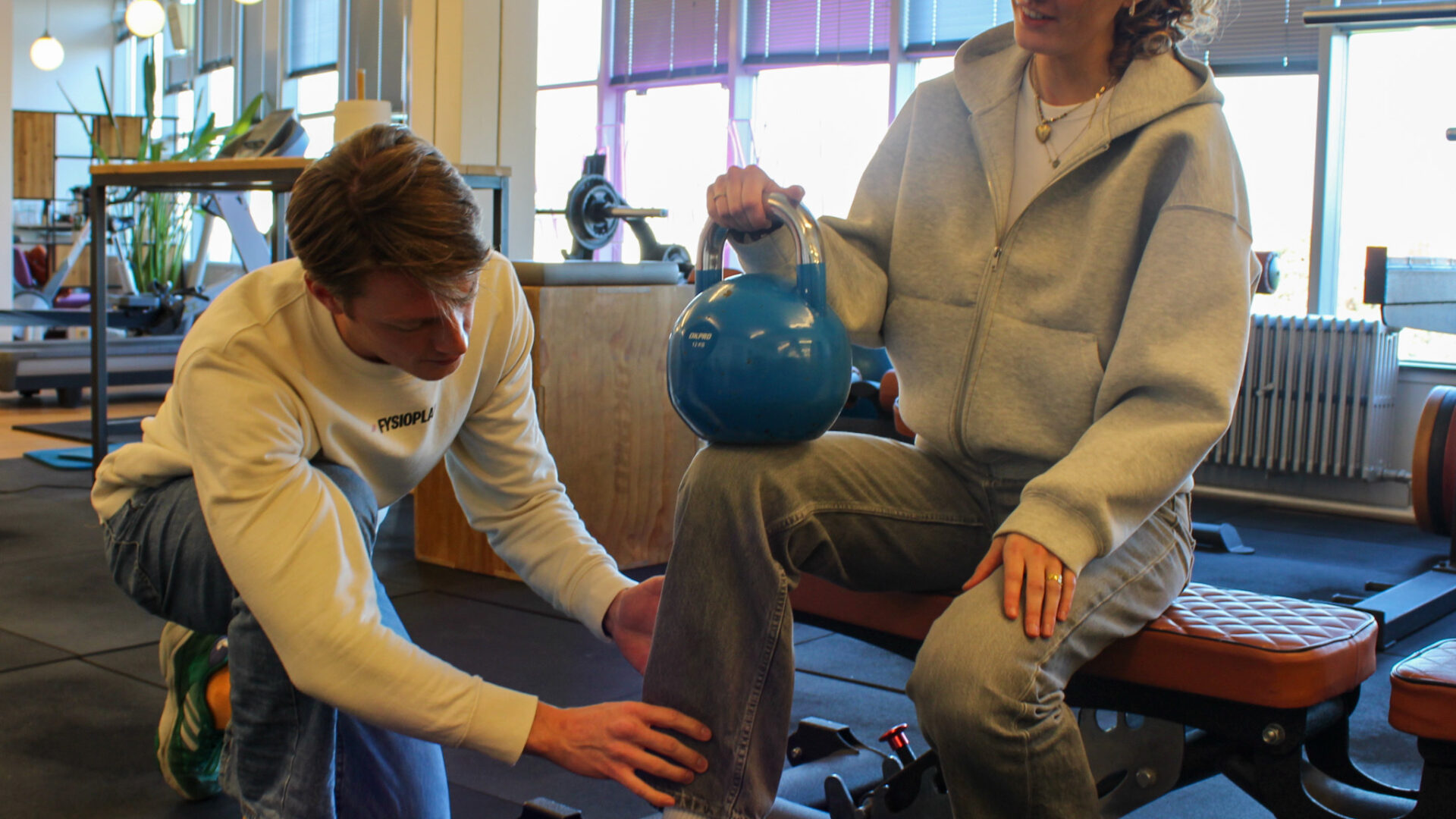
After a few minutes of running, it nags along the inside of your shinbone. After a quarter of an hour it eases off a bit, but at your next training it is right back.
Shin pain when running is often called shin splints. Unpleasant, but very treatable. Our physiotherapists in Rotterdam have a lot of experience with shin pain when running and help you with exercises and a build-up plan, so you can keep going.
What is going on?
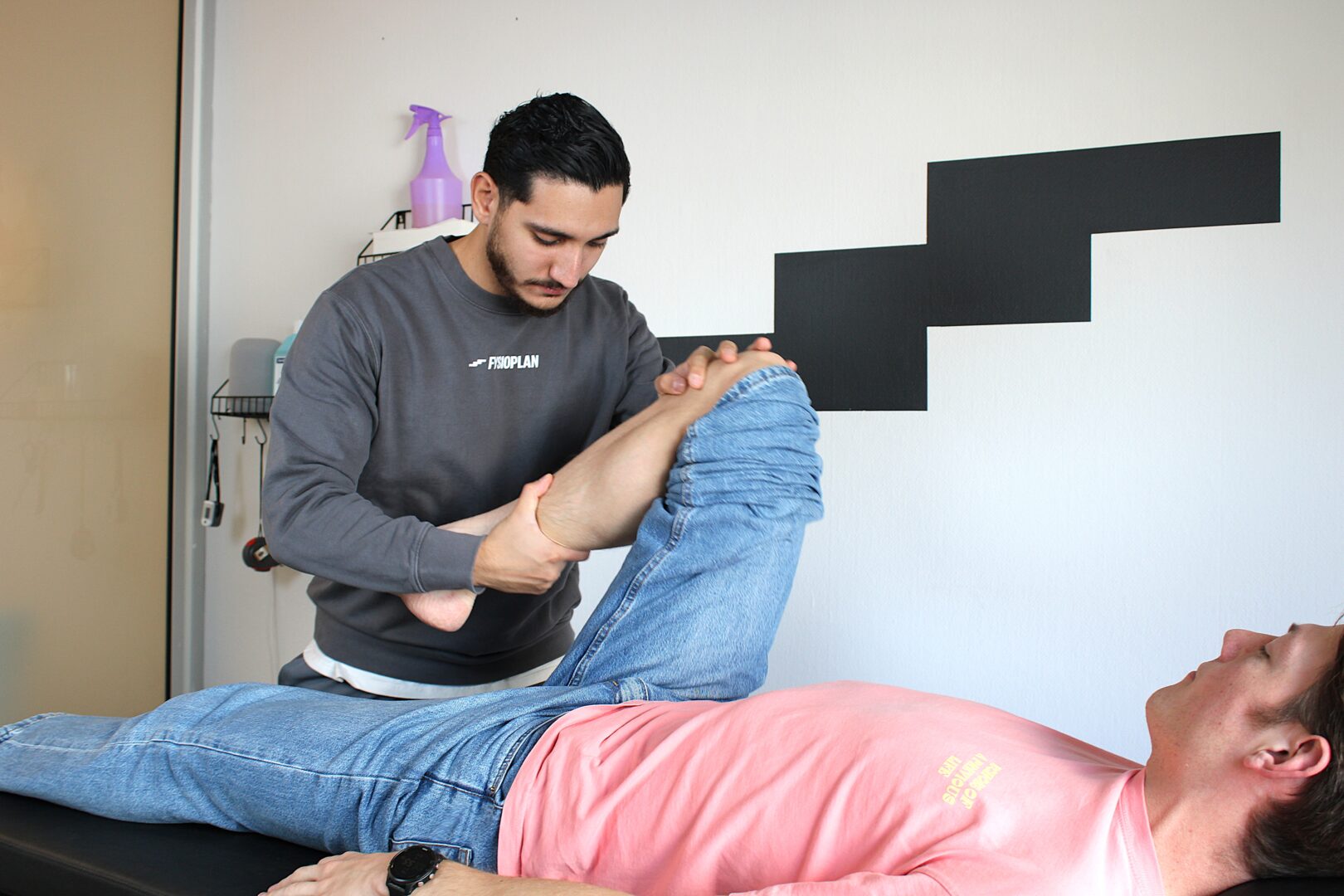
With shin splints the pain is along the inner edge of your shinbone, usually in the middle or lower part. The medical term is medial tibial stress syndrome (MTSS); colloquially you also hear shin splints. It is one of the most common running problems: in research about 14 to 20 percent of runners dealt with it.
Your lower leg absorbs your body weight with every landing. If you run more, harder, or on a harder surface in a short time, or start after a break with less strong lower legs, your shinbone and the muscles around it have to handle more than they are used to. They become sensitive, but with a good build-up they can handle more and more.
Recognizable complaints:
- Nagging pain along the inside of your shinbone, on one or both sides
- Pain at the start of running that decreases after 10 to 15 minutes
- Pain in your shinbone after running, and if it has been going on longer, also when just walking
- Pain when putting down and pushing off with your foot
- A spot that feels slightly thicker
What can we do about it?
You can already do a lot yourself:
- Run less instead of not at all: shorter, less hard, and with fewer sprints and jumps. A little pain is fine, as long as it doesn't increase while running.
- Temporarily choose a softer surface, such as a forest path instead of asphalt.
- If running is a bit too much for now, keep up your fitness with cycling or swimming.
- Make your calf, lower leg, and foot muscles stronger, for example with heel raises. A little pain is fine.
- Then build up with a plan and add a small step every one to two weeks. Don't start with a race.
At FYSIOPLAN we approach it like this:
- We examine whether your symptoms really fit shin splints
- We explain what is happening in your lower leg and how to dose your training
- We give you exercises that make your lower legs stronger, tailored to what we see during the examination
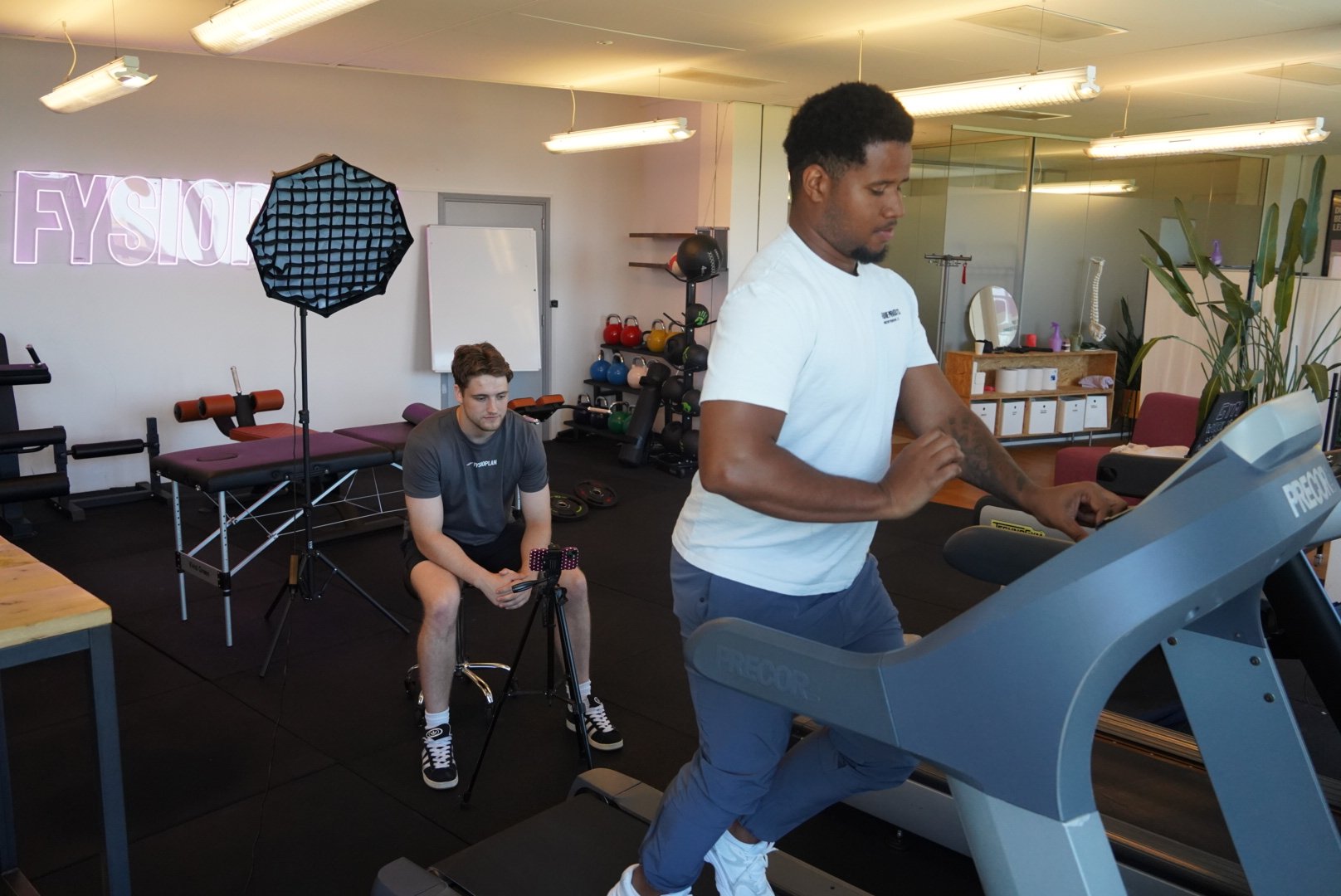
- We look at your running technique: slightly shorter, quicker steps (5 to 10 percent more steps per minute) reduce the impact per step
- We make a build-up plan back to your normal training or your race
Our physiotherapists help you find the right balance between training and recovering.
Is the pain in one spot on the bone and does it get worse when hopping? Then also read our article about a stress fracture.
How long will it take?
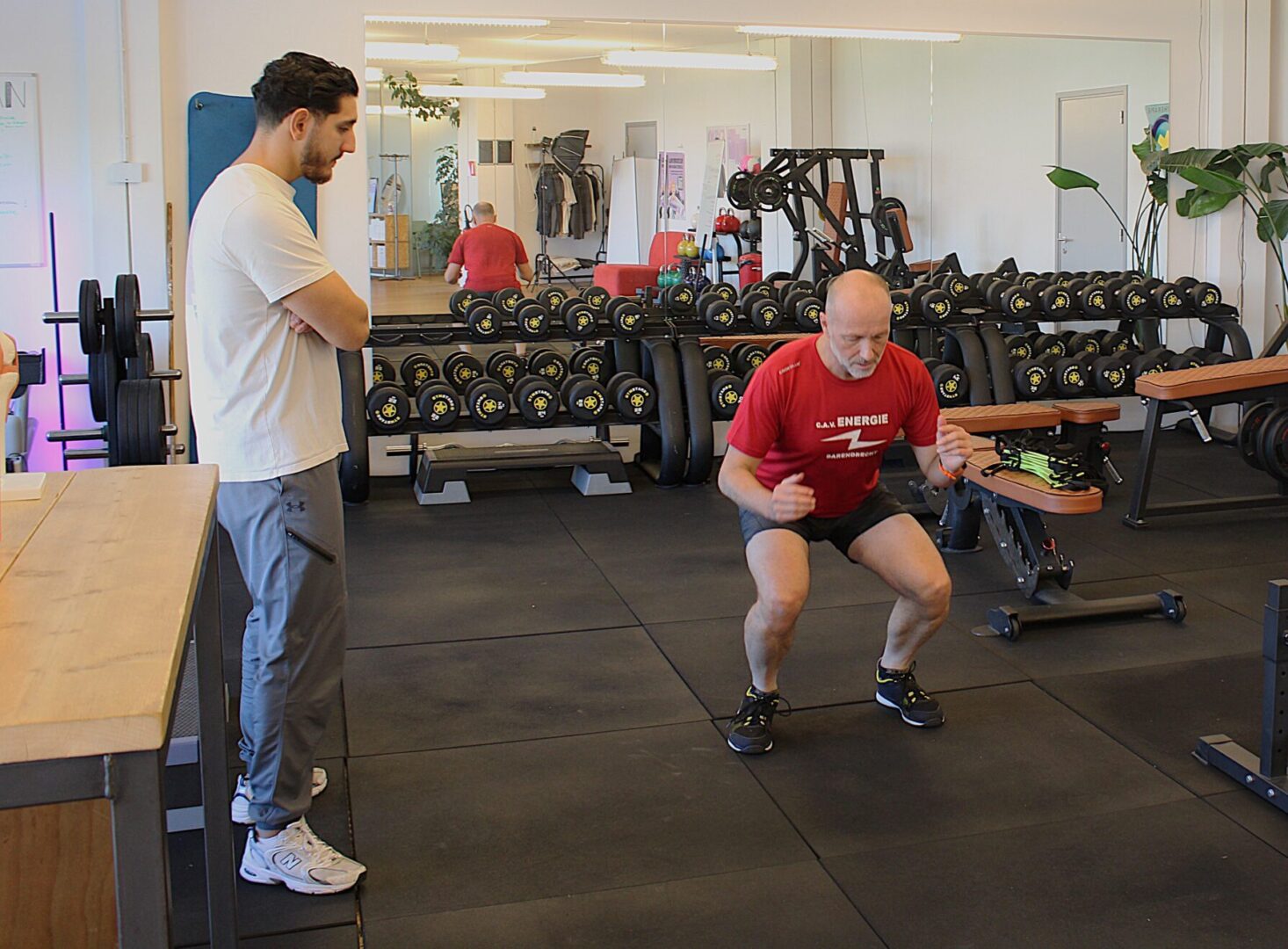
If you tackle the symptoms early, you often notice improvement within a few weeks. Getting fully back to your old training usually takes two to three months; the Dutch guideline assumes a process of about twelve weeks.
During that period you can often keep training, with an adjusted plan. After six weeks we look together at how it is going and adjust your build-up.
Unsure about your plan? Feel free to contact us.
With stronger lower legs and a good build-up plan you enjoy running your laps again. Our physiotherapists make a plan that fits your goal, whether that is your first 5 kilometers or a marathon.
Book an appointment right away, and we'll look at your shins and your training together.
Want to know more? Then also read our pages about running physiotherapy and sports rehabilitation.
Also read our articles about the IT band syndrome and Achilles tendon problems.
Our ankle specialists






Want to make an appointment?
Message us before 2:00 PM and get an appointment the same day!
Frequently asked
questions about
shin splints
-
How much rest do I need with shin splints?
Complete rest is usually not necessary. You run shorter and less hard, and supplement with cycling or swimming. Only with a lot of pain do you stop running for a few weeks and then build back up.
-
What is the recovery time for shin splints?
You often notice improvement within a few weeks. You are usually fully back at your old level after two to three months. With a good plan you can often keep training during that time.
-
Do different running shoes or insoles help?
Good running shoes are sensible. Whether insoles help is less certain; with a flat foot or a foot that rolls inward you can try them. The basis remains a good build-up plan and stronger lower legs.
-
How do I prevent the pain from coming back?
Build up your training gradually, also after a vacation or illness, and keep training your calf and foot muscles. Alternate asphalt with softer paths and take five to ten minutes for your warm-up.
-
Do I need a referral?
No, you can make an appointment directly at FYSIOPLAN. You do not need a referral from your GP.